Lovely Bunny: A Playful Display Font for Crafters
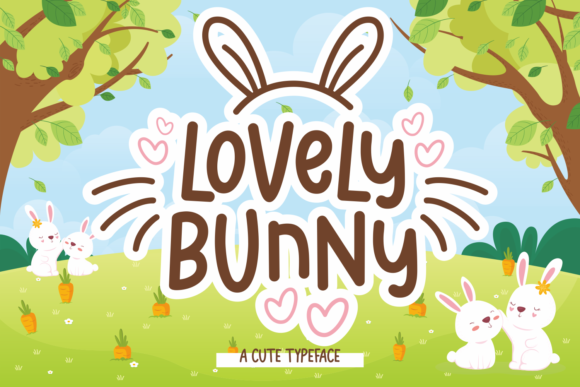
There is a particular kind of magic that happens when you find a typeface that feels like it was made just for your projects. Lovely Bunny arrived in my font library right before spring market season, and I have not stopped reaching for it since. It is a display font with a soft, whimsical personality, clearly inspired by the warmth of Easter and the gentle joy of childhood. But do not let that seasonal spark fool you. This is a workhorse creative font that slips beautifully into year-round handmade projects, from baby shower stationery to boutique product labels and everything in between.
What struck me first about Lovely Bunny is how it balances charm with clarity. So many playful display fonts sacrifice readability on the altar of cuteness, but this one holds its shape beautifully. The letterforms feel rounded, friendly, and slightly bouncy without ever becoming illegible. That matters deeply when you are designing a product label that needs to be read at arm's length, or a sign that greets guests at a wedding welcome table. I have used it on candle labels, sticker sheets, and even a set of children's room wall art prints, and each time the type has performed exactly as I hoped.
For anyone who sells physical products, the typeface you choose becomes part of your brand's visual voice. Customers may not consciously notice the curve of a lowercase 'a' or the gentle weight of a letterform, but they feel it. Lovely Bunny carries an emotional warmth that makes products feel considered, personal, and deeply intentional. When I switched my spring line of hand-poured soy candles to labels featuring this font, I noticed customers lingering longer at the booth, smiling at the packaging, and picking up jars just to read the scent names. That is the power of good modern typography.
The Visual Personality of Lovely Bunny
This is not a font that whispers. It grins. Lovely Bunny has a distinctly cheerful presence, with soft edges, playful proportions, and a rhythm that feels almost hand-drawn. The inspiration from Easter holidays comes through in its gentle bounce and the way certain letters seem to lean into each other like old friends. It is a premium font that feels youthful without being childish, which makes it remarkably versatile for a display font rooted in seasonal imagery.
I have used it on projects completely unrelated to Easter, and it never feels out of place. The playful energy translates beautifully to birthday party invitations, teacher appreciation gifts, nursery decor, and even summer market signage. The key is its inherent warmth. Unlike cold, geometric sans serif fonts or overly formal serif fonts, Lovely Bunny carries an invitation in its letterforms. It asks the viewer to smile, to linger, to pick up the product and look closer. For a handmade seller, that emotional hook is pure gold.
Where Lovely Bunny Shines Brightest
Over the months I have had this font, I have tested it across a ridiculous number of surfaces and formats. Here is where it truly excels.
Labels, Tags, and Product Packaging
If you sell anything in jars, boxes, bags, or wrapped bundles, Lovely Bunny deserves a spot in your design toolkit. I have used it for honey jar labels, cookie bag toppers, hang tags for knitted baby blankets, and the front-facing product name on boutique soap boxes. The rounded letterforms stay crisp when printed at small sizes on kraft paper, glossy label stock, and even clear sticker material. On a recent batch of lip balm tubes, I paired Lovely Bunny for the flavor name with a tiny sans serif font for the ingredients list, and the result looked polished enough for a high-end shop shelf.
Greeting Cards and Invitations
This is where Lovely Bunny feels most at home. The font was practically made for the front of a card. I have designed birthday invitations, baby shower announcements, and Easter brunch cards with it, and each time the type sets the tone before a single word is read. For a recent bridal shower invite, I used Lovely Bunny for the bride's name and paired it with a delicate script font for the supporting details. The contrast between the playful display lettering and the flowing script created a layered, intentional look that the client adored.
Printable Wall Art and Digital Downloads
Printable creators, listen closely. Lovely Bunny is a dream for children's room prints, nursery quote art, and classroom decor. I have a set of alphabet flashcards in my shop that uses this font for the letterforms, and parents consistently mention how warm and approachable the type feels. For digital download sellers, the font adds perceived value. A simple quote print looks more premium, more finished, and more worthy of a customer's money when the typeface carries this much personality.
Signage and Event Decor
From wedding welcome signs to farmers' market booth banners, Lovely Bunny holds its own at larger sizes. I cut a wooden sign for a friend's baby shower using this font with my Cricut, and the weeding was surprisingly clean. The rounded terminals and lack of overly thin strokes meant the vinyl held together well, even on delicate letters. If you use a Silhouette or Cricut machine for sign-making, you will appreciate how this font behaves during the cut process. No frustrating tear-outs, no struggling to rescue tiny interior pieces.
Apparel and Merchandise
I hesitated to try Lovely Bunny on a toddler t-shirt design, worried the playful shapes might feel too busy on fabric. I was wrong. The font looks adorable on kids' clothing, tote bags, and even canvas pouches. The key is keeping the phrase short. A name, a sweet two-word phrase, or a simple celebratory word like "Birthday Boy" or "Wildflower" works beautifully. For longer phrases, the font still reads well, but the visual impact is strongest when the letterforms have room to breathe.
Readability and Practical Considerations
Let me be honest about what this font is and is not. Lovely Bunny is a display font, which means it is designed to make an impact at larger sizes and in short bursts. I would not set a full paragraph of body text in it, and I would not recommend it for tiny ingredient lists or legal disclaimers. But for logo design, product names, headlines, signage, and decorative wording, it is absolutely perfect.
When using this font on small stickers or labels, I recommend testing your print size before committing to a full run. At sizes below about 12 points, some of the playful details begin to soften, especially on textured paper. I typically use Lovely Bunny at 14 points or larger for printed labels and find that the sweet spot for cut vinyl is around 1 inch tall for uppercase lettering. Your mileage may vary, but a quick test print saves a lot of heartache.
For mockup previews and product photography, this font photographs beautifully. The rounded forms catch light nicely, and even on flatlays, the type has enough visual weight to hold its own without dominating the composition. When I style my product photos with Lovely Bunny labels, I notice the type draws the eye naturally to the product name, which is exactly what you want in a competitive marketplace.
Font Pairing Ideas That Work
One of the most common questions I get from fellow makers is how to pair a character-rich display font like Lovely Bunny with other typefaces. The goal is to let Lovely Bunny shine while providing a supporting player that handles the practical details. Here are combinations I have tested and loved.
Pair Lovely Bunny with a clean, neutral sans serif font for product labels. The playful display type handles the product name, while the sans serif manages the weight, scent description, or business name beneath it. This creates a clear visual hierarchy and keeps the label feeling balanced rather than chaotic.
For invitations and stationery, try pairing Lovely Bunny with a flowing script font or a gentle handwritten font. Use the display font for the names or the headline, and let the script carry the remaining details. The contrast between the bouncy display letters and the elegant script creates a handcrafted, boutique feel that attracts customers looking for something personal and non-generic.
For a more structured look, a simple serif font underneath Lovely Bunny can add a touch of sophistication. This pairing works particularly well for wedding signage, where the playful headline greets guests warmly and the serif body text conveys the event details with clarity and grace. The combination feels intentional, like a considered design choice rather than a single-font cop-out.
Exploring the Full Character Set
Whenever I invest in a new creative font, I make a point of digging into everything included. Check your Lovely Bunny files for any alternate characters, ligatures, or swashes that might be tucked away. These extras can transform a simple phrase into something that feels entirely custom. A swash on a leading letter, a ligature that smooths a tricky letter pairing, or an alternate character that adds a little extra bounce can elevate a design from handmade to handcrafted.
If the font includes multilingual support, that opens up wonderful possibilities for international sellers, bilingual product packaging, and marketplaces that reach beyond English-speaking audiences. I have used Lovely Bunny on labels for a Canadian client who needed French text, and the accented characters rendered beautifully without breaking the font's visual rhythm.
Commercial Licensing and Selling with Confidence
Let us talk about the practical side of using a font for business. If you are a handmade seller, printable creator, or small shop owner, you need to know that your font license covers the products you sell. Lovely Bunny is a commercial font, but always verify the specific terms of your license. Can you use it on physical products you sell? Can you include it in digital downloads, templates, or SVG designs? Are there restrictions on print run quantities or usage in logo design?
I keep a folder of my font licenses and receipts, organized by foundry, so I can quickly reference what is covered. For Lovely Bunny, I confirmed that my license allows use on physical products, printed invitations, and digital printables before I ever listed a single item. That peace of mind matters. When a wholesale order comes in or a custom client requests a design, you want to say yes with confidence.
For SVG designers and cut file creators, pay special attention to whether the license permits embedding the font in files sold to customers. Some foundries require a separate license for this use case. The extra step is worth it to protect your business and respect the type designer's work.
Making Lovely Bunny Part of Your Brand Identity
Consistency builds recognition. When customers see the same warm, playful lettering across your product line, they begin to associate that visual style with your brand. I have found that Lovely Bunny works beautifully as a recurring brand identity element, particularly for makers who focus on children's products, nursery decor, party supplies, or seasonal goods. You do not need every label to use the same font, but a signature typeface woven through your packaging, social media graphics, and product photography creates a cohesive look that customers remember.
For packaging design, the font can serve as the voice of your brand. Use it on your logo, your thank-you tags, and your product names, and let supporting fonts handle the rest. Over time, that consistent visual language becomes a shorthand for your shop's personality. Customers will scroll past dozens of listings and stop on yours because the type feels familiar, warm, and trustworthy.
What I love most about Lovely Bunny is that it does not try to be everything. It knows exactly what it is: a cheerful, approachable display font that brings a handmade heart to every project it touches. Whether you are designing Easter basket tags, classroom bulletin boards, baby shower invitations, or a full line of boutique product labels, this font does the joyful work of connecting your product to your customer's emotions. And in a world of scrolling, clicking, and scrolling past, that emotional connection is what makes a sale.